
Specialized Care for Every Need
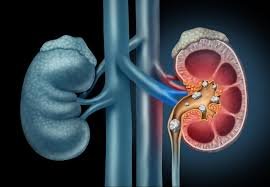
Kidney stones are hard deposits made of minerals and salts that form inside the kidneys.
Kidney stones vary in size and type, but all can be extremely painful when they move from the kidney to the bladder. The most common symptom is a sharp pain in the back or lower abdomen, often accompanied by nausea, vomiting, or blood in the urine. Some people may also experience a frequent urge to urinate or a burning sensation while urinating. Stones can form when there is too much waste and not enough fluid in the urine, allowing crystals to stick together and grow over time. Factors such as high protein intake, high sodium levels, and not drinking enough water can increase the risk of stone formation.
Treatment for kidney stones depends on their size, type, and location. Smaller stones often pass naturally with increased fluid intake and pain relievers. However, larger stones may require medical procedures such as shock wave therapy (lithotripsy), ureteroscopy, or even surgery to remove them. Preventing kidney stones involves staying well-hydrated, limiting salt and animal protein intake, and sometimes using medications to reduce the chances of stone formation. People who’ve had stones before are at higher risk of developing them again, so long-term lifestyle changes are often recommended.