Specialized Care for Every Need
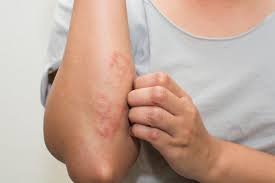
Skin diseases are conditions that affect the skin's appearance, texture, or function.
There are many types of skin diseases, including eczema, psoriasis, acne, fungal infections, and dermatitis, each with different symptoms and causes. Some are temporary and easily treatable, while others are long-term and require ongoing management. Common symptoms of skin conditions include redness, itching, rashes, swelling, dryness, peeling, or sores. Factors such as poor hygiene, allergies, environmental conditions, immune system disorders, and stress can trigger or worsen skin issues. Infections caused by bacteria, viruses, or fungi—such as impetigo, herpes, or ringworm—are also frequent causes of skin problems. Early diagnosis and treatment are essential to prevent the spread or worsening of many of these diseases.
Treatment of skin diseases depends on the specific condition and its severity. Mild issues like dry skin or mild eczema may be managed with moisturizers, antihistamines, or topical creams, while more severe conditions like psoriasis or chronic dermatitis may require prescription medications, including corticosteroids or immunosuppressants. In the case of infections, antifungal, antibacterial, or antiviral medications are used. Good hygiene, a healthy diet, and avoiding known irritants or allergens can help in preventing many skin problems. In some chronic cases, regular follow-up with a dermatologist is necessary. Managing skin health not only improves appearance but also plays an important role in overall health and self-confidence.