
Specialized Care for Every Need
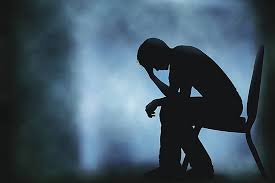
Depression is a common but serious mental health condition that affects how a person feels, thinks, and handles daily activities. It goes beyond normal sadness and can interfere with work, sleep, and relationships.
Depression can develop due to a variety of factors, including genetics, brain chemistry, life experiences, trauma, or chronic stress. People experiencing depression often report persistent sadness, loss of interest in previously enjoyable activities, changes in appetite or sleep patterns, low energy, difficulty concentrating, and feelings of worthlessness or hopelessness. In severe cases, depression can lead to thoughts of self-harm or suicide. It’s important to understand that depression is not simply a sign of weakness or something that a person can "snap out of." It is a real medical condition that requires support and treatment.
Treatment for depression often involves a combination of therapies. These may include psychotherapy (such as cognitive-behavioral therapy), medication (like antidepressants), or a mix of both, depending on the severity of the condition. In some cases, lifestyle changes such as regular exercise, a healthy diet, social support, and good sleep hygiene can make a significant difference. For those with treatment-resistant depression, other options such as electroconvulsive therapy (ECT) or newer approaches like transcranial magnetic stimulation (TMS) may be considered. Early diagnosis and proper care are key to managing depression effectively and helping individuals return to a fulfilling life.